
Mounting systems for PV solar
power plants manufacturer
eusales@kraft.solergy.company
+35924371691
+35924371691
Mounting systems for PV solar
power plants manufacturer

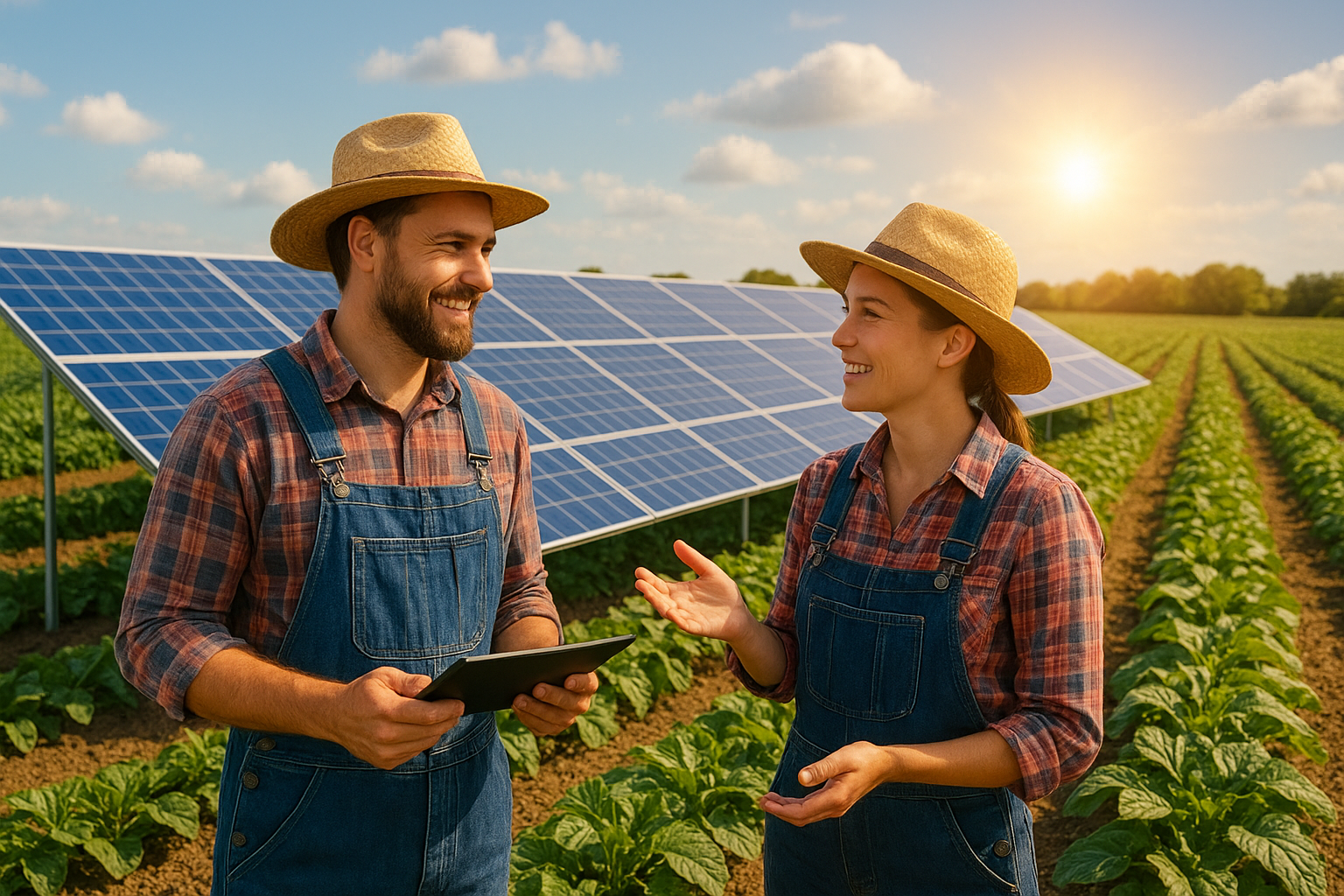
After a tough year for US farmers, New Jersey has launched a pioneering program to support agriculture with solar energy. While federal loans for solar panels were cut, New Jersey’s Dual-Use Solar Energy Pilot Program aims to prove that farmers can earn extra income by generating solar power and growing crops—or grazing livestock—on the same land.
This approach, called agrivoltaics or dual-use solar, allows panels and agriculture to coexist. Early projects have boosted biodiversity, cut solar maintenance costs through livestock grazing, and sometimes improved crop and animal health. With farm sizes shrinking in New Jersey, maximizing land is more important than ever.
The state’s new three-year pilot seeks to enroll local farmers, share real-world results, and develop a permanent program. Although paperwork and land restrictions pose challenges, nearly 30 projects (126 megawatts) have already pre-qualified. If successful, the pilot could make solar a vital part of New Jersey’s rural economy and clean energy future, especially with other sources like offshore wind facing setbacks.
Why Is This Relevant for the Business of Solar Energy?New Markets: The article highlights how state-led agrivoltaic programs expand the market for solar developers—by making farms a viable site for installation, even in heavily regulated or land-scarce states.
Business Diversification: Agrivoltaics open new service areas for solar companies (e.g., elevated installations, specialized maintenance, partnerships with agriculture).
Policy Drives Demand: The case of New Jersey demonstrates how proactive policy can drive adoption, creating clear business opportunities for those in the solar industry.
Knowledge Sharing: Pilot programs generate practical data and success stories, making it easier for other regions to replicate and scale agrivoltaics—amplifying growth prospects for the sector.
Community Benefits: By offering farmers economic resilience, solar companies strengthen their local credibility and support, helping secure project approvals and long-term partnerships.
Job Creation: Solar farm expansion—especially in rural areas—creates construction, installation, and service jobs, further supporting the sector and local economies.
In summary: This article shows that innovative state programs are not only helping farmers survive but are also creating fertile ground for the solar energy industry to grow—unlocking new markets and driving rural clean energy development.
Read more about the Program to Boost Farmers and Solar Energy
Kraft Solergy Company
US BRANCH:EUROPEAN SALES:
